Commercial Flood Damage Cleanup in Sandstone, IN
Commercial flood damage cleanup in Sandstone with desiccant drying for concrete and masonry, and daily readings you keep on file.
Sandstone Water Restoration provides Commercial Flood Damage Cleanup in Sandstone, IN. 24/7 emergency response with IICRC certified crews, and we work with your insurance carrier on approved claims. Call (463) 223-3831 for immediate dispatch.
- Service: Commercial Flood Damage Cleanup for Sandstone homeowners
- Service area: Sandstone, IN and surrounding areas
- Response time: Fast local response for Sandstone; live dispatch every hour of the year
- Licensed and insured (License #RC21100059)
- Serving Sandstone, IN since 2018
Commercial Flood Damage Cleanup for Sandstone Businesses
Concrete holds water longer than anything else in a commercial building, and the flooring you put back is what eventually tells you whether the slab was ready. Sandstone Water Restoration dries commercial slabs in Sandstone to a measured number, using in situ relative humidity probes and surface readings taken from the same marked spots every day, so the VCT or carpet tile goes down over concrete that's been proven dry on paper.
Electrical clearance goes in writing on every flooded area of the building. Sandstone Water Restoration records which panels and outlets were confirmed off, and whether your electrician or the utility gave that confirmation. Pumps and dehumidifiers run on temporary power from outside the wet area, so the Sandstone file shows what was live and when.
Moisture mapping on a commercial loss covers the whole floor plate. Thermal imaging finds temperature differences where water sits behind finishes, penetrating meters confirm what the camera suggests, and the wet boundary gets marked on a floor plan. That plan is what the drying scope is built from, and it's the document a carrier follows when it wants to know why a given area was treated.
Coverage for standing water depends on where the water came from and on your policy, and your carrier answers that question. Sandstone Water Restoration documents the cause and the full extent of the loss on your Sandstone property, so the facts are in place whichever policy responds. Your broker can walk you through how your forms treat the source of the water.
Before anyone cleans up or throws anything away, call Sandstone Water Restoration and keep the building as the water left it wherever it's safe to do so. The waterline and the silt are the evidence behind your claim, and the crew photographs and measures them in your Sandstone property before any of it moves.
Signs You Need Commercial Flood Damage Cleanup
If you notice any of these in your Sandstone building, schedule a free inspection before the issue worsens.
A dark tide line on drywall or wall base running along a corridor at a consistent height
Repeated tenant or staff complaints of a damp smell in one suite while the rest of the floor is fine
Creek or retention pond water that has crested its banks and is still rising near the building
A damp dark band across the concrete slab that spreads overnight and shrinks during the day
White powdery efflorescence appearing on block or poured concrete walls on a below grade level
Water staining on stairwell walls or landings leading down to a basement or garage level
Water standing in the elevator pit, or a sump or pit alarm that keeps calling in overnight
Visible water or damp conduit inside an electrical room, or a panel with moisture at the base
A discharged sprinkler head with ceiling tiles collapsed or sagging in the grid below it
Beads of moisture under plastic sheeting or mats taped to a concrete floor for a day or two
How Sandstone Water Restoration Handles Commercial Flood Damage Cleanup
We follow these steps in order on every Sandstone job.
Waterline and Condition Photos
Before anything moves, the crew photographs the building as the water left it. Waterline marks get measured at several points in each room, with depths and heights logged beside the photos.
Mapping the Wet Area
Thermal imaging and penetrating meters survey every affected area, including the slab, wall cavities, ceiling plenums, and anything below grade. The wet boundary gets marked on a floor plan, so the drying scope matches the real footprint of the water and a carrier can follow why each area was treated.
Source and Contamination Check
The crew records where the water came from and what it crossed, and photographs the entry point. Floodwater and sewer backups get containment with HEPA filtered negative air before anything else, and every load of soaked material that leaves gets documented.
Mud and Silt Removal
Mud goes into containers first, starting at the far end of the building and working toward the exit. Wet vacuums and a rinse pass follow, and floor drains get flushed and checked so water can drain freely.
Phased Section Release
Areas that reach dry standard get released back to use while the crew keeps working sections that still hold moisture. Each release carries the readings for that zone, which lets the property come back in pieces as the building and your own occupancy requirements allow.
Commercial Flood Damage Cleanup in Sandstone
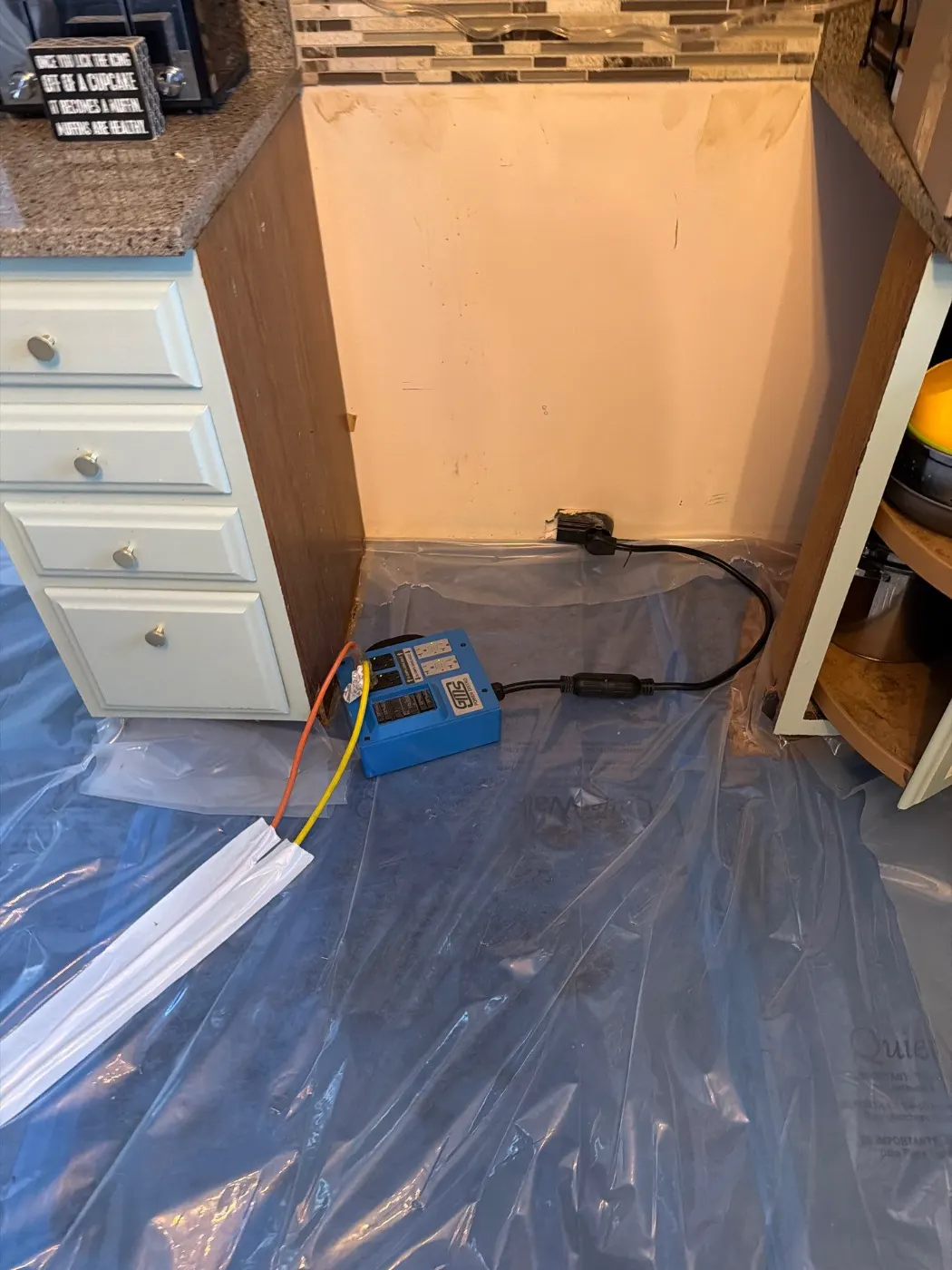
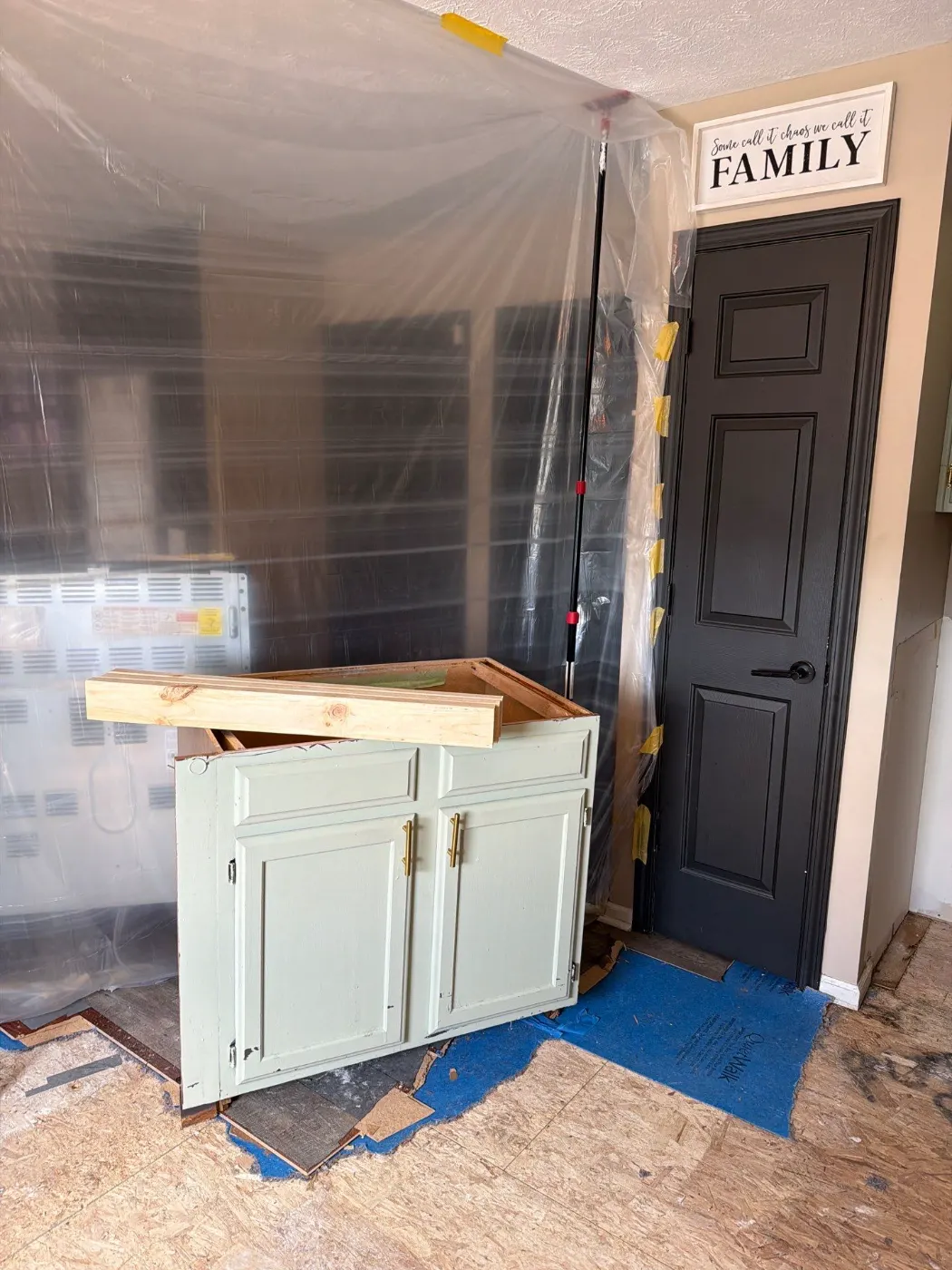
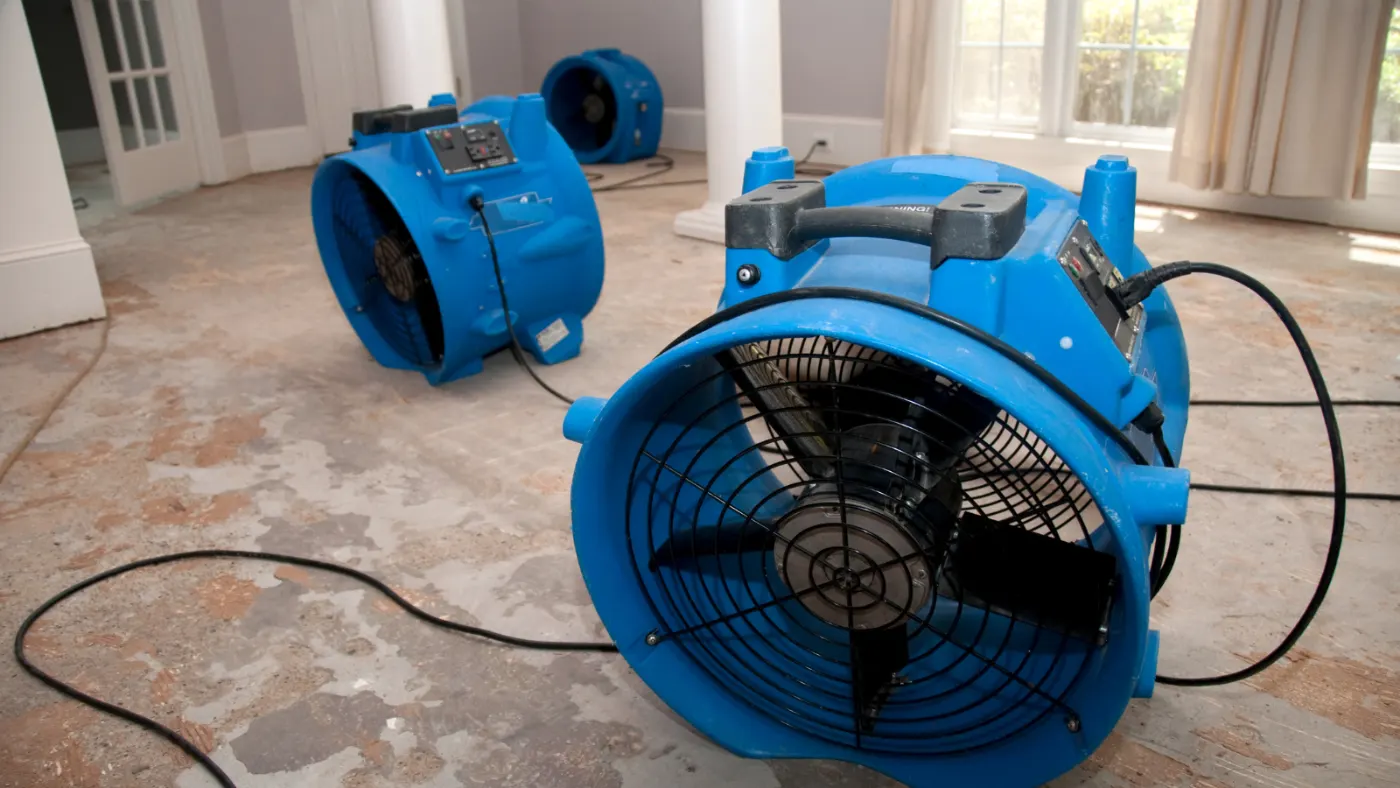
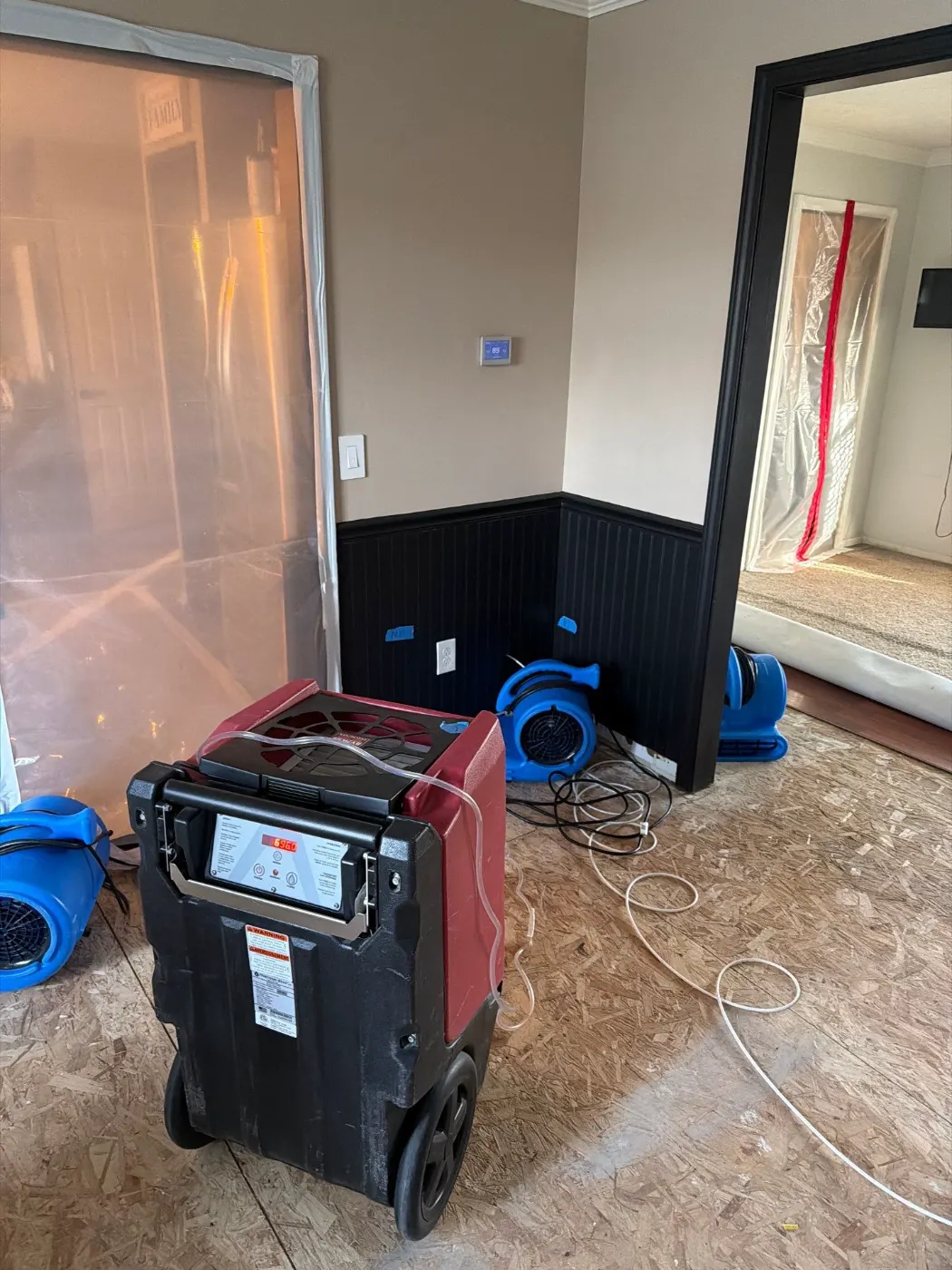
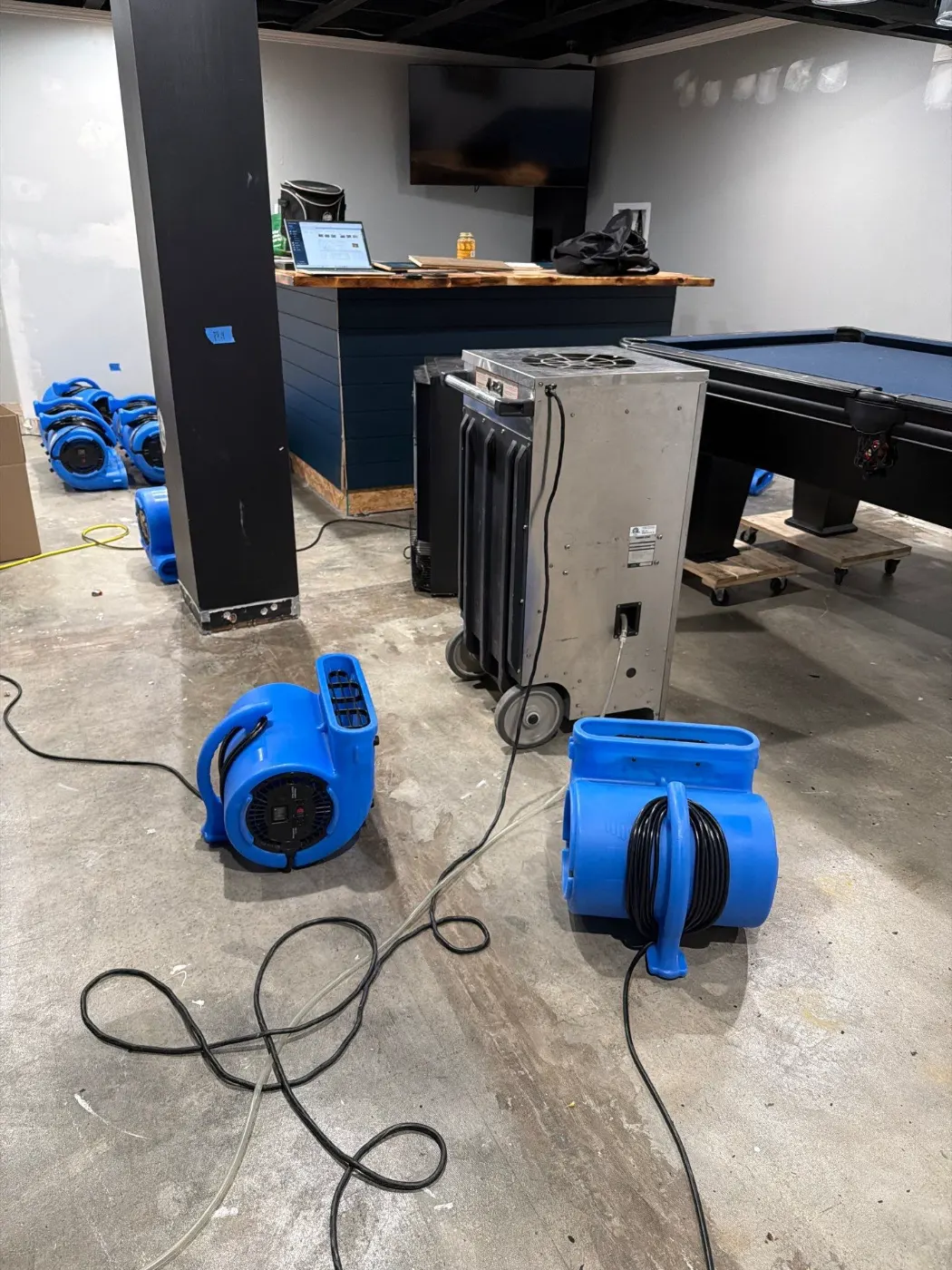
Photographs from real commercial flood damage cleanup jobs completed by our crew in Sandstone and surrounding areas.
Commercial Flood Damage Cleanup FAQ
Questions Sandstone property managers ask us about commercial flood damage cleanup.
Guidance and Standards for Commercial Flood Damage Cleanup
- The ANSI/IICRC S500 is the published standard for professional water damage restoration. The current edition is the Fifth Edition, 2021. IICRC S500 Standard
- EPA advises drying water damaged areas and items within 24 to 48 hours to prevent mold growth. EPA: A Brief Guide to Mold, Moisture and Your Home
Sandstone Neighborhoods We Serve
We take commercial flood damage cleanup calls in every part of Sandstone. Pick your neighborhood for local details.
Other Restoration Services in Sandstone
Sandstone Water Restoration handles the full scope of restoration work. Explore our other services below.
Water Damage Restoration in Sandstone
24/7 emergency response. IICRC certified water restoration from extraction to full dry out.
Learn more →Basement Flooding in Sandstone
Basement water emergencies handled fast. Extraction, drying, mold prevention.
Learn more →Sewage Cleanup in Sandstone
Category 3 biohazard cleanup. Full containment, decontamination, structural restoration.
Learn more →Request Commercial Flood Damage Cleanup
Reach Us Directly
Our team is available 24/7 for emergencies and ready to schedule inspections during business hours.
Need Immediate Help?
For active water or mold emergencies, call us directly. We are available 24/7.